


For decades, buildings consumed energy.
Increasingly, they will generate it.
This shift is quietly redefining the future of urban development, real estate, infrastructure, and sustainable construction around the world. From smart-city initiatives in the Gulf to climate-conscious developments across Africa, energy generation is no longer being viewed as a separate utility layer added after construction. It is becoming part of the built environment itself.
The buildings of the future will not simply shelter human activity. They will participate in powering it.
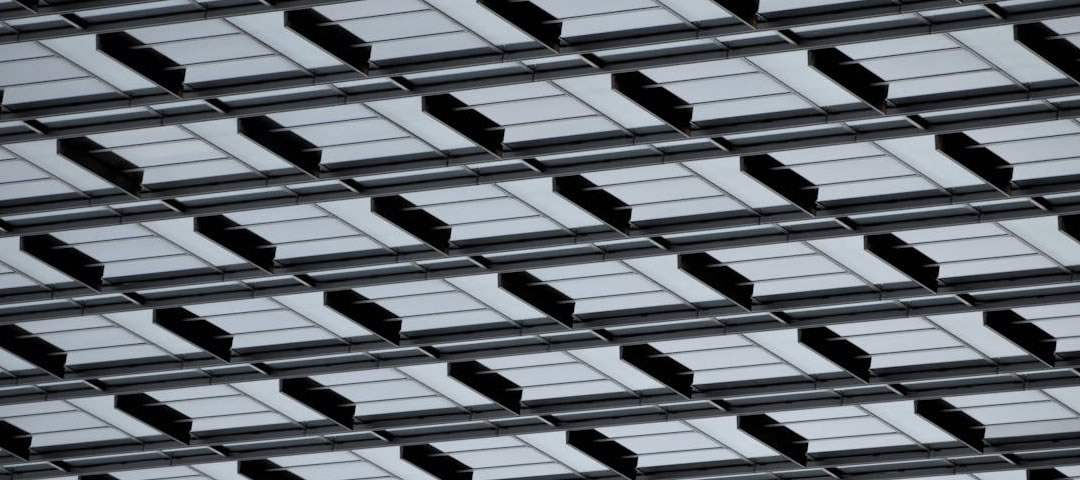
This transition is creating growing interest in technologies that integrate renewable energy directly into construction materials and architectural systems. Among the most compelling developments is Building-Integrated Photovoltaics (BIPV) — where solar capability is embedded into the structure of a building itself, rather than mounted onto it as an external addition.
At Strauss Energy, we believe this represents more than an advancement in solar technology. It represents a broader evolution in how infrastructure is conceived, designed, and deployed.
As urban populations grow and cities place increasing pressure on national grids, the conversation around energy is becoming inseparable from the conversation around construction, planning, resilience, and sustainability. Governments are introducing more ambitious climate targets. Developers are under greater pressure to incorporate ESG principles into projects. Investors are paying closer attention to long-term environmental performance and energy efficiency.
In this environment, integrated renewable infrastructure is no longer a niche concept. It is becoming a practical necessity.
Africa is uniquely positioned within this transition.
The continent continues to urbanize rapidly while simultaneously facing the opportunity — and responsibility — of building more sustainably from the outset. This creates space for infrastructure models that do not merely replicate legacy systems, but instead adopt cleaner, more adaptive approaches from the beginning.
At the same time, global interest in African renewable infrastructure continues to accelerate. International capital, climate-focused investment vehicles, and cross-border infrastructure partnerships are increasingly seeking scalable opportunities aligned with long-term sustainability objectives.
For companies operating within this sector, the challenge is no longer simply innovation. It is execution at scale. Reliability. Durability. Regulatory alignment. Manufacturing capability. Institutional trust.
The renewable energy sector is maturing.
And with that maturity comes a greater emphasis on infrastructure-grade thinking — solutions capable of integrating into real-world developments, meeting long-term performance expectations, and supporting broader economic and environmental goals.
This is the context within which Strauss Energy continues to evolve.
Over the years, the company has participated in conversations surrounding renewable infrastructure, sustainable construction, and integrated solar technology across East Africa and beyond. As the global energy transition continues to accelerate, the opportunity ahead lies not only in generating cleaner power, but in rethinking how the physical environments around us are designed in the first place.
The future of energy may not sit above our buildings.
Increasingly, it may become part of them